Reviewed by Karim Eshqoor, Lawyer, Barbarian Law™ (LSO #83032R)
In Ontario, most first-time buyers who get hurt are hurt before closing, not on closing day. The five common legal mistakes are firming up without firm financing, skipping title insurance, relying on thin searches, overpaying under pressure, and calling a lawyer only in closing week. Each one is fixable on paper before the deal goes firm.
Buying a first home in Ontario — whether in Aurora, Newmarket, Vaughan, or elsewhere in York Region and the GTA — is a legal commitment as much as a financial one. The Agreement of Purchase and Sale (APS), financing conditions, title, searches, and closing timeline decide whether you keep your deposit and close on schedule — or face pressure, cost, and limited options. Below are five legal mistakes we see first-time buyers make, and how to avoid them before you are locked into a firm close date.
Barbarian Law™ is a transactional firm in Aurora serving residential buyers across York Region and the GTA. For purchase and sale work, start at our real estate page and fees.
1. Entering a Firm APS Without Firm Financing
A pre-approval is not a commitment. A firm APS without a financing condition (or without a firm mortgage approval) is how buyers lose deposits and face damages claims if they can’t close.
An online mortgage quote or pre-qualification is not enough. Before you waive a financing condition — or sign firm with none — you want at least one clear, written mortgage commitment that actually covers this purchase.
If you cannot fund on closing, the risk is not theoretical: you may lose your deposit, and you may face a claim for damages if the seller resells for less. Whenever the deal allows it, keep a financing condition in the APS until financing is firm. That is a legal-risk decision, not a “nice to have.”
A pre-approval is not a commitment
A pre-approval can change after you firm up. Until you hold a written mortgage commitment that covers this property, keep the financing condition in the APS.
2. Skipping Title Insurance
Title insurance is a relatively low-cost layer of protection against certain title and ownership problems that may not show up on a casual review of the property. First-time buyers sometimes skip it to save a line item — and then discover that title defects, fraud claims, or boundary surprises are harder and costlier after closing.
Title insurance can help address risks such as:
- Fraudulent claims against your ownership
- Encroachments or certain zoning-related issues (subject to policy terms)
- Hidden liens or unpaid taxes left by a prior owner (again, subject to coverage)
Purchasing title insurance at closing is standard in many Ontario residential deals for a reason: it is cheaper than fighting an unexpected title problem after you own the home. Your lawyer can confirm what the policy covers and what it does not for your transaction.
3. Failing to Conduct Thorough Searches and Inspections
Buying a home is more than a walkthrough. Skipping on-title and off-title work — or treating a home inspection as optional — can leave you with legal or financial problems after the sale.
Key searches typically include:
- Title searches — confirm the seller’s ownership and identify liens, mortgages, or other encumbrances that must be cleared or assumed as agreed
- Execution searches — check for judgments or debts against the seller that could affect the deal
- Off-title searches — zoning, easements, work orders, and other issues that affect how you can use the property
A professional home inspection is separate from legal searches. It is still essential for structural and maintenance issues that do not appear on title. Searches and inspections together give you information while you still have conditions — or at least while counsel can still manage known risks before closing.
4. Overpaying — and Treating the APS as a Price Fight Only
Overpaying strains cash flow and equity. In a competitive GTA market, buyers also rush conditions, waive protections, or accept APS language that creates legal risk just to “win” the house.
Realtors are skilled negotiators. Their role and incentives are not the same as a lawyer’s. Commission is often tied to sale price and closing the deal; that does not make your agent dishonest, but it does mean they are not a substitute for independent legal advice on the APS. Your real estate agent is not your lawyer. They are not typically bound to prioritize your legal interests the way counsel is.
Before you firm up an offer:
- Do your own market homework so the number fits your budget and financing
- Structure conditions (financing, inspection, and others as appropriate) so you are not trapped if something material fails
- Have a real estate lawyer review the APS — not only the price, but the conditions, timelines, and risk allocation
Overpaying is partly a market problem. Signing a weak APS to get there is a legal one. Keep the two separate.
5. Waiting Until Closing Week to Call a Lawyer
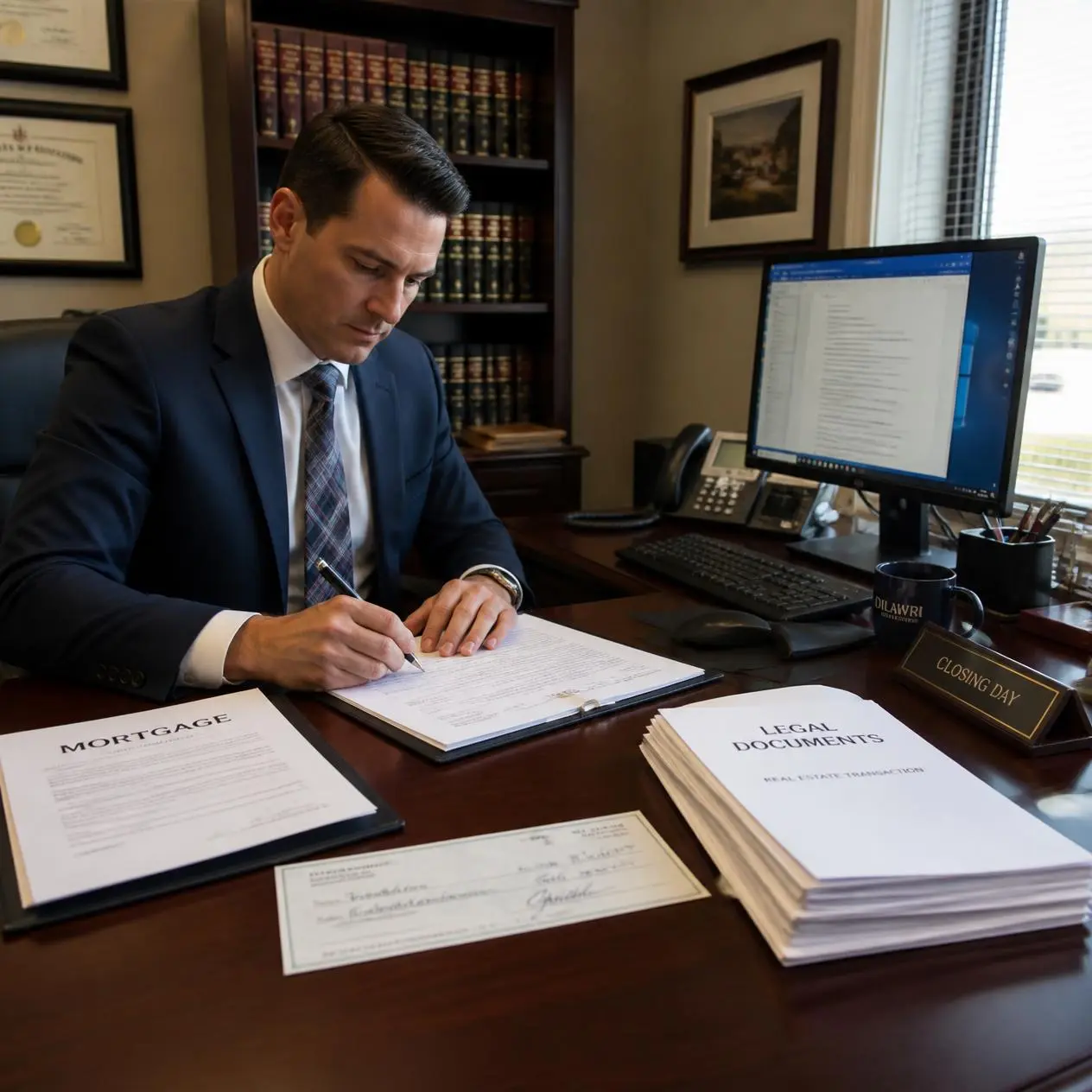
Bring counsel in at APS review, not the week before closing. Conditions, title issues, and adjustment surprises are cheaper to fix on paper than under a firm close date.
A real estate lawyer can:
- Review the APS for financing, inspection, and other conditions that protect you
- Flag legal risks tied to the property or the deal structure
- Coordinate searches, title insurance, and the documents required to close
Waiting until “we just need someone for closing” often means the important decisions — firm vs. conditional, what you waived, what title shows — are already behind you.
How much does a lawyer cost for a first home purchase?
Real estate fees at Barbarian Law™
| Service | Price |
|---|---|
| Residential purchase, including one mortgage | $1,650 + HST |
| Purchase and sale together | $2,950 + HST |
| New build, builder agreement review | $350 + HST |
Residential prices are all-in except HST and the permitted disbursements: land transfer tax, government registration fees, other government fees, Teranet fees, a condominium status certificate, similar-name execution letters and title insurance.
How does Barbarian Law™ handle a first-time purchase?
We review Agreements of Purchase and Sale, run the searches that matter for your deal, advise on financing conditions and closing mechanics, and arrange title insurance and documentation so you know what you are signing and when.
For how we price residential work, see our fees page and the breakdown posts on real estate lawyer fees in Ontario and closing costs. Service detail: real estate.
Buying through a corporation, holding company, or investment structure? Our corporate and commercial practices sit beside residential closings when the deal needs both. After you own the home, a will and powers of attorney are the next transactional step many first-time buyers put off.
Frequently asked questions
Do I need a lawyer to buy a house in Ontario?
In practice, yes. Your lender will instruct a lawyer to register its mortgage, and land transfers in Ontario are registered electronically by lawyers. The real choice is when to bring one in: before you firm up the APS costs far less than fixing a problem after.
When should I call a real estate lawyer when buying?
Before you sign or waive conditions on the Agreement of Purchase and Sale. That is when financing, inspection and title risks can still be changed on paper.
Is title insurance mandatory in Ontario?
Not by law, but most lenders require it, and it protects you against title defects, fraud and some survey issues that a search may not reveal. It is a one-time premium paid on closing.
Next step
If you are under offer in York Region or the GTA, about to waive conditions, or want the APS reviewed before you firm up — contact Barbarian Law and bring the draft agreement. Early review beats a scramble in closing week.
Where Art Meets Corporate Interest.
Under offer? Send us the APS before you firm up.
A lawyer who reads the agreement before it goes firm is the cheapest protection in the deal.
This article is general information about Ontario law, not legal advice, and reading it does not create a lawyer-client relationship. Every situation is different; speak with a lawyer about yours.